Measuring Dining Frequency and Spend Across Hospitality Guest Segments

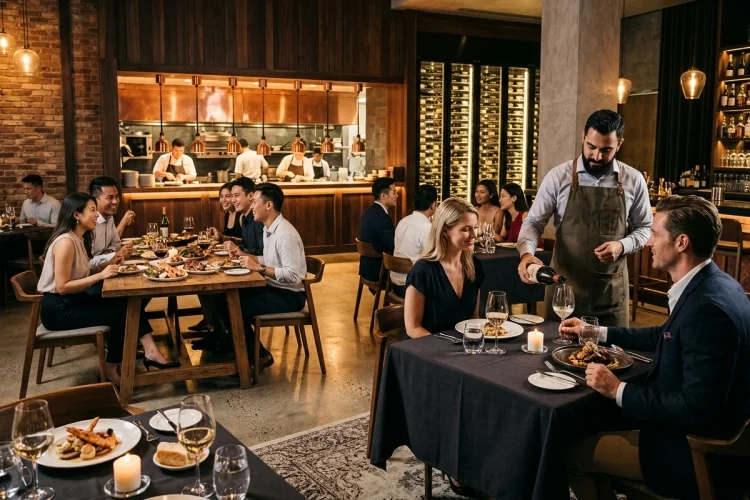
A restaurant can have two guests who spend exactly $100 tonight but represent completely different long-term opportunities. One may be visiting for the first time, while the other returns twice a month, brings friends, and regularly orders premium beverages. Measuring Dining Frequency and Spend gives hospitality operators a clearer way to understand those differences. By … Read more

How Restaurants Stand Out as Premium Dining Categories Converge

The old boundaries between fine dining, upscale casual, chef-driven restaurants, and luxury hospitality are getting harder to see. Casual restaurants borrow premium ingredients and polished interiors, while high-end venues adopt relaxed service, louder music, and more approachable menus. As Premium Dining Categories Converge, simply offering expensive food in a beautiful room is no longer enough … Read more

How Restaurants Reduce Service Bottlenecks Without Rushing Guests

Peak dining periods can expose every weakness in a restaurant. A small delay at the host stand becomes a queue, five late tickets overwhelm servers, and slow payment suddenly leaves several parties waiting for tables. The solution is not simply telling employees or guests to move faster. Understanding How Restaurants Reduce Service Bottlenecks means identifying … Read more

Designing Menu Architecture Around Margin and Customer Demand

A restaurant menu is more than a list of dishes. It is a commercial system that guides customers toward certain choices while balancing profitability, variety, and brand identity. A popular dish may generate plenty of orders but little contribution, while a highly profitable item may remain unnoticed because guests rarely find it. Designing Menu Architecture … Read more

Designing F&B Cost Structures Around Real Restaurant Demand

Food and beverage costs rarely move in a perfectly straight line. A hotel restaurant may be packed on Saturday night, quiet on Monday lunch, and suddenly overwhelmed when a large group checks in. Using the same staffing, purchasing, and production model across every period can quickly eat into margins. Designing F&B Cost Structures around actual … Read more

Hotel Brand Strength Beyond Awareness Metrics: What Really Matters

Almost everyone has heard of the world’s biggest hotel brands. But recognition alone does not tell investors, owners, or marketing teams whether guests actually prefer a brand, pay more for it, return to it, or recommend it. That is why hotel companies increasingly evaluate Strength Beyond Awareness Metrics. Brand awareness remains useful, but the real … Read more

Optimizing Channel Mix When Direct Hotel Demand Starts to Weaken

Direct bookings are attractive because hotels control the guest relationship, capture valuable data, and often retain more revenue. But what happens when website traffic slows, conversion drops, or travelers increasingly start their search elsewhere? That is where Optimizing Channel Mix becomes more important than simply defending direct share. Hotels need to respond to changing booking … Read more

How Hotel Teams Identify Cost Leakage in Daily Operations

Hotel costs rarely explode because of one dramatic mistake. More often, profit disappears through dozens of small leaks: an extra labor hour here, unnecessary food production there, a maintenance problem left unresolved, or supplies purchased without checking actual usage. Understanding How Hotel Teams Identify Cost Leakage means looking beyond the monthly P&L and examining what … Read more

Dynamic Pricing Models for Hotels in Highly Volatile Demand Markets

Hotel demand rarely moves in a neat straight line. A concert announcement can fill a city overnight, bad weather can kill weekend demand, and a large group cancellation can suddenly release dozens of rooms only days before arrival. That is exactly where Dynamic Pricing Models for Hotels become valuable. Instead of relying on fixed seasonal … Read more

How Owners Balance Hotel EBITDA Growth and Long-Term Asset Value

Hotel owners naturally want EBITDA to grow. Higher earnings improve cash flow, support debt payments, and can make a property more attractive to investors. But there is a catch: pushing short-term profit too aggressively can quietly weaken the hotel itself. Understanding How Owners Balance Hotel EBITDA growth with long-term asset value requires looking beyond this … Read more